Art in wood
Wood that outlives the house.
Ares Jabłoński, joiner. Workshop in Poland. Over 20 years of experience from Norway.
Services
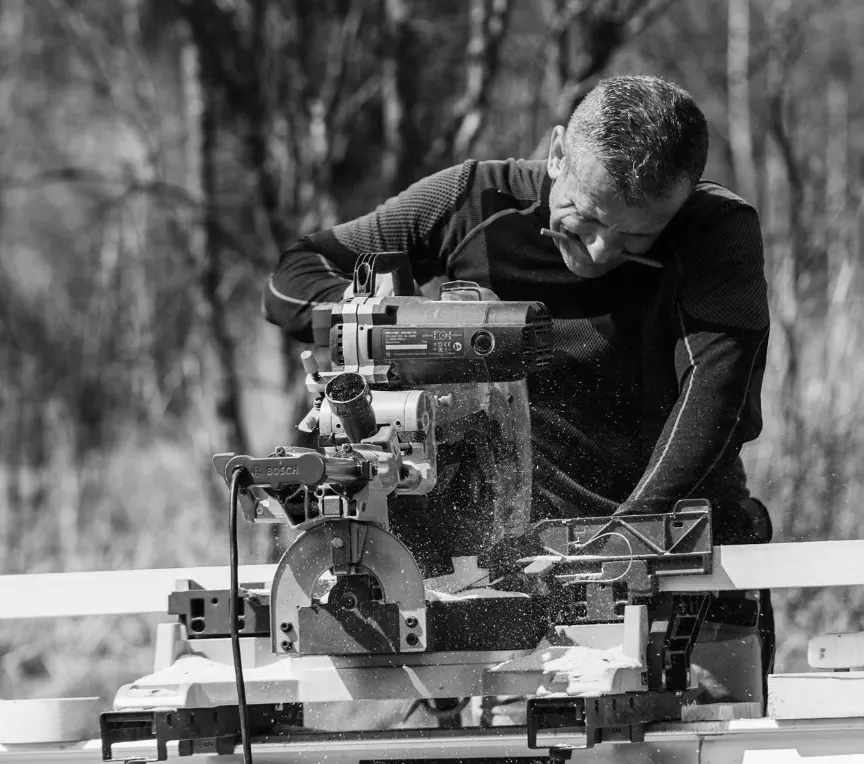
Timber framing, cladding and insulation for wooden houses. Terraces, canopies, interior finishes and bespoke joinery.
Timber frames
Walls and floors framed in wood so that what carries the house stays visible. The section is chosen for the span, the snow and the wind.
Cladding and insulation
Cladding and insulation for a timber house that is to remain, once the heat should stop leaving. A thermal upgrade that leaves the board, the corner and the eaves in sight.
Timber terraces
The deck beside the house. Boards, joists and a fall set so water leaves, and does not stay underfoot.
Shelters and canopies
A roof over the entrance, the firewood, or a place to work outside. A light structure, reckoned for snow.
Carport
A timber roof for a car, fitted to the house that already stands. Posts and beams stay visible.
Loft interiors
A finish in which wood meets stone and metal. A wall, a top, stairs or a shelf. Each material stays itself.
Art and joinery
Beside the structure come the works: a table from one board, furniture for one room, stairs read as sculpture, a form taken from the trunk.
Explore the craftSix kinds of work, one workshop.
-
Sculptural tables
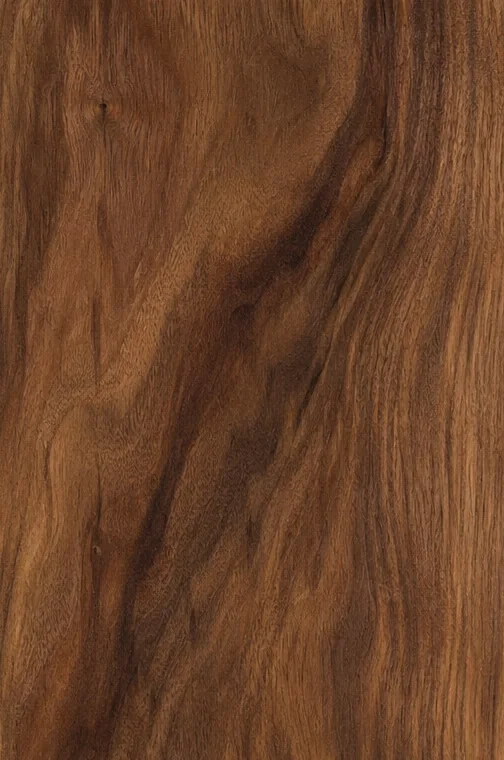
Tops with a live edge, with resin, or from a single board. A table people sit at for years.
-
One-off furniture
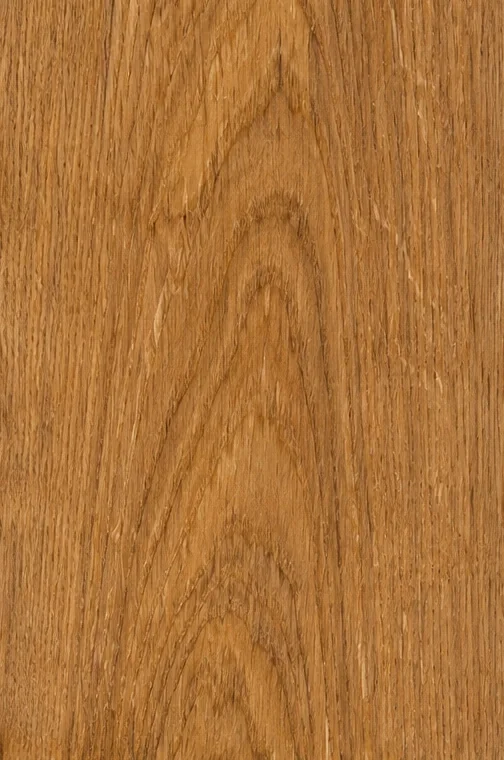
Consoles, chests, benches and beds designed for one room.
-
Fitted interiors
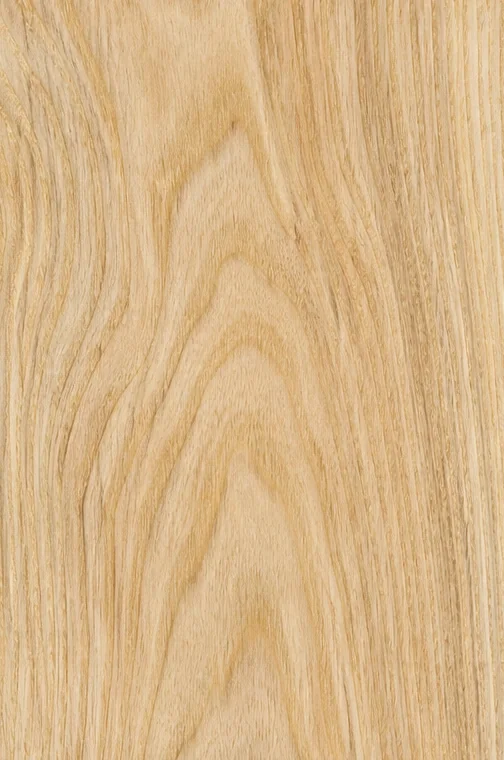
Libraries, joinery, wall and ceiling linings. Wood as architecture.
-
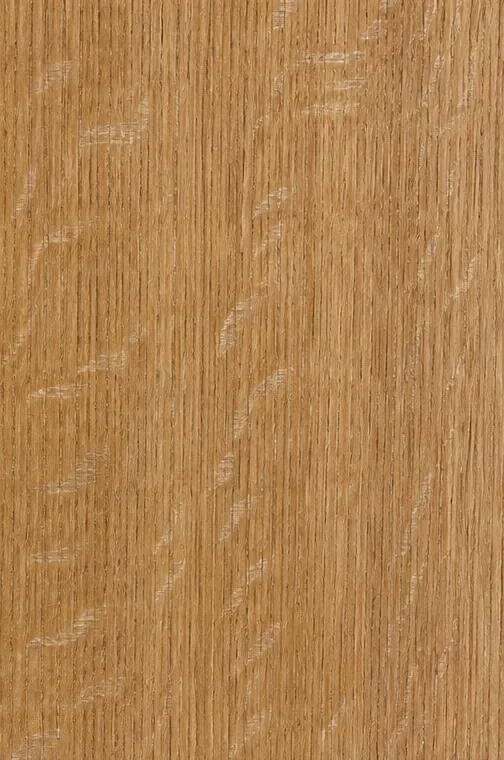
Stairs and balustrades
Stairs that carry everyday weight and read as sculpture.
-
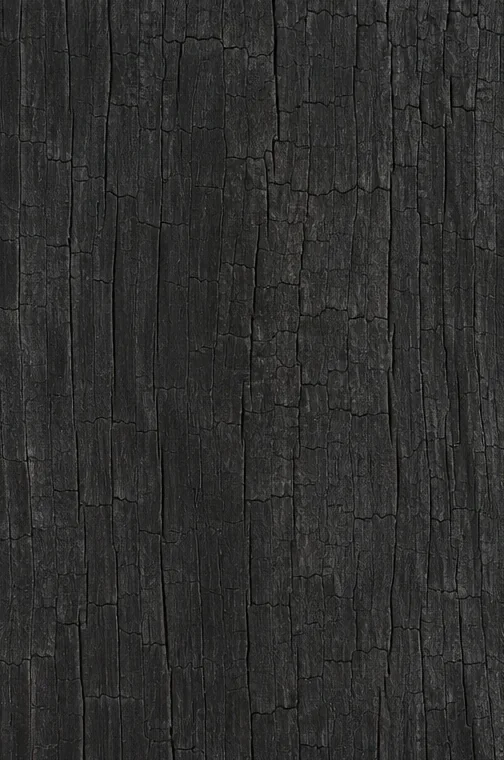
Outdoor structures
Pergolas, pavilions, saunas and log buildings made for a Norwegian winter.
-
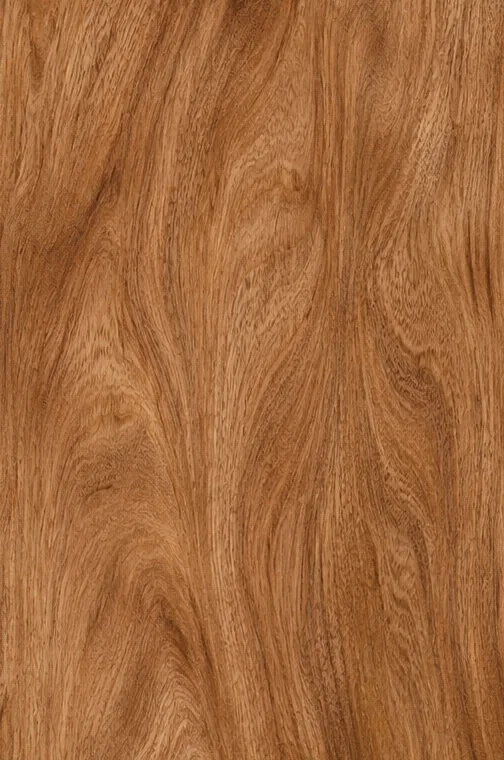
Sculpture and form
Objects, bowls and carved forms from single pieces of wood.
Gallery
Photographs of completed work will appear here.
Ares Jabłoński
Joiner. More than twenty years of work in Norway.
More than twenty years of joinery in Norway. In a country where wood is the material of houses, churches and boats, and the climate tests every joint.
That school sets the way of working: wood chosen for the place, the moisture and the load; a structure that does not need to be hidden; a finish that can be renewed twenty years on.
The wood is chosen for the place.
Five species the workshop uses most. The disc is the end grain. The note says what the wood is for.
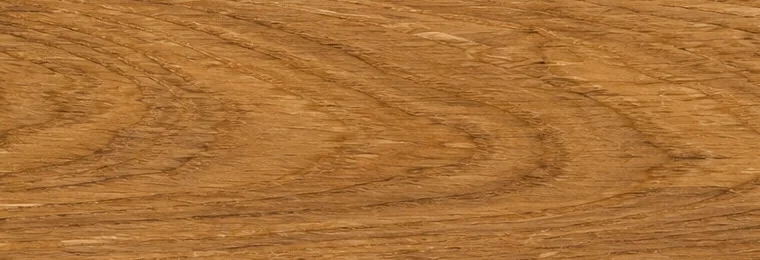
Oak
Quercus robur
Dense wood with clear rings. On a quarter-sawn face the rays sit as pale flashes.
- Hardness
- High
- Character
- Quiet, lasting
- Best for
- tables, stairs, linings
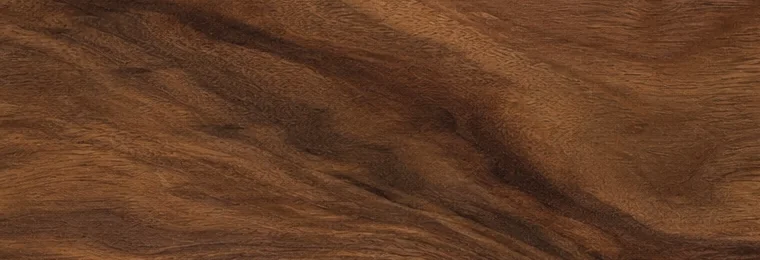
Walnut
Juglans regia, Juglans nigra
A dark figure, often with a violet cast in the heartwood. It wears well as a top people use every day.
- Hardness
- Medium
- Character
- Deep, warm
- Best for
- tabletops, furniture, sculpture
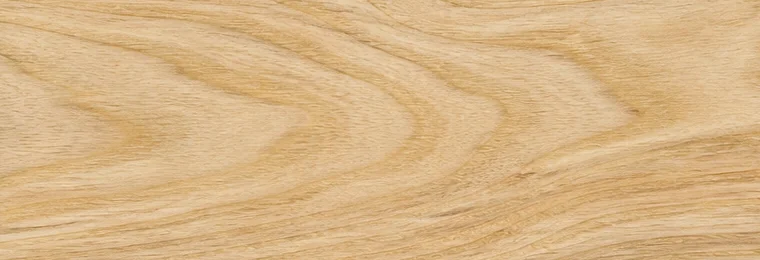
Ash
Fraxinus excelsior
Pale, elastic wood with clear pores. It makes light fronts and treads that do not dull a room.
- Hardness
- High
- Character
- Pale, springy
- Best for
- stairs, furniture, interiors
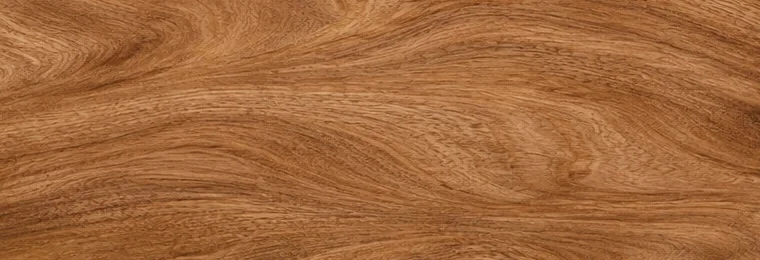
Elm
Ulmus
Interlocked grain and a resistance to splitting. It suits forms that should stay in one piece.
- Hardness
- Medium
- Character
- Lively, stubborn
- Best for
- sculpture, tops, seats
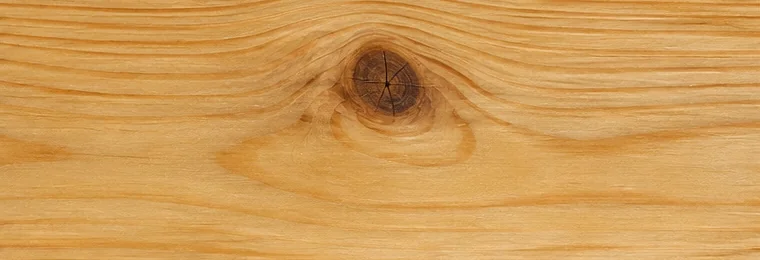
Pine
Pinus sylvestris
The wood of Norwegian houses and log work. Outside it moves with the weather, if water has a way to leave.
- Hardness
- Soft
- Character
- Resinous, familiar
- Best for
- outdoor work, saunas, interiors
From the conversation to installation
- 1
Conversation
The place, the measurements, the light, and how the piece will be used.
- 2
Drawing and quote
A drawing and a price in writing, before the first shaving.
- 3
Choosing the board
Photographs of the boards before they are cut. A choice of the actual figure.
- 4
Making
The workshop in Poland. Photographs while the work is underway.
- 5
Delivery and fitting
Set in place, with notes on how to care for it.
Every project starts with a conversation.
The piece and the place. The reply comes in writing.