Art in wood
Stairs and balustrades
A stair is the only piece of furniture people walk on every day. It has to be stiff, quiet and safe, and it can be the finest part of the house.
Scope of work
- String stairs, open stairs and winding stairs.
- Treads and risers in one species.
- A timber balustrade.
- A lining over concrete stairs.
- Work with glass or steel when the drawing has them.
- A measure on site, and a check of the step.
A tread should feel sure under the foot and quiet in a house where people walk barefoot or in socks. Stiffness and how the tread is carried are settled before the figure of the grain.
The balustrade is part of the stair, not an addition. Height, gaps and what the hand holds follow the rules of the country and the people who use the stair.
Gallery
Photographs of completed work will appear here.
Wood and finish
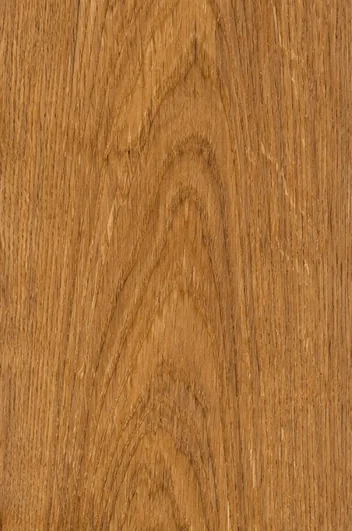
 Oak
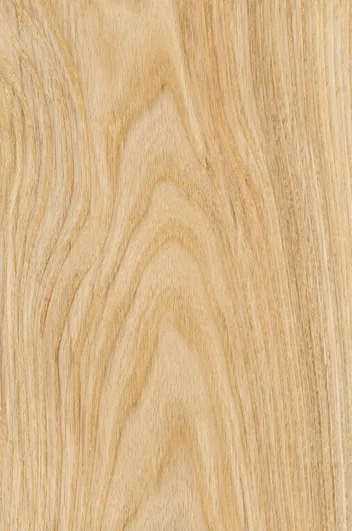
 Ash
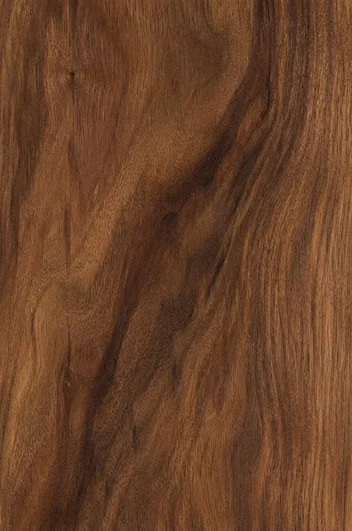
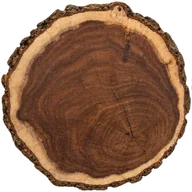 Walnut
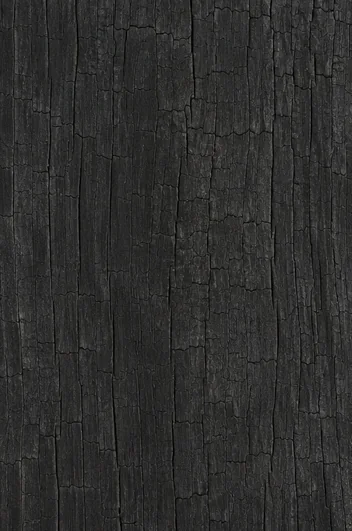
Finishes
- Oil on the treads, renewable.
- A harder finish on the nosing.
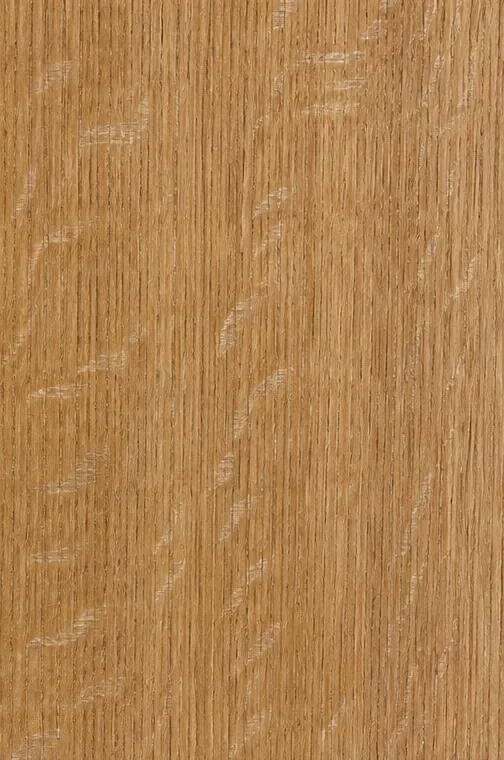
- Quarter-sawn oak where the flash of the rays should stay visible.
Three principles
Ease
The rise and the going are tried with a step, not only with a number from the drawing.
Quiet
A tread that creaks is unfinished. The bearing and the joint are there to take that away.
Safety
The height of the balustrade and the gaps follow the rules of the country where the stair stands.
Questions
Can concrete stairs be lined?
Yes. The concrete stays as the structure. The wood is the tread, the nosing and what the foot meets.
Which wood is best?
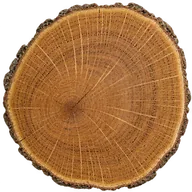
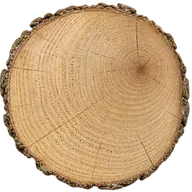
Most often oak, ash or walnut. The choice follows the light, how often people walk, and the rest of the house.
Is it measured on site?
Yes. The opening, the landing and the way people already walk are visible only in the house.
Can the balustrade be glass or steel?
It can, when the drawing wants that. The timber tread and the rail the hand holds stay legible.
Every project starts with a conversation.
The piece and the place. The reply comes in writing.